Raw, Real, and Going Viral: How UK Producers Are Turning Studio Graft Into Career-Defining Moments
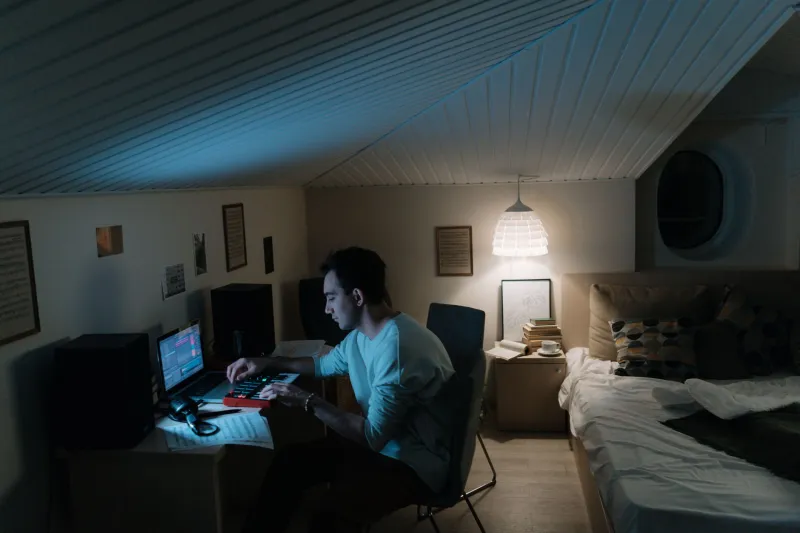
There's a moment — usually somewhere around 2am, surrounded by empty Red Bull cans and a half-eaten Pot Noodle — when something clicks in the studio. A bassline locks in. A sample flips perfectly. The mix suddenly sounds like something else. Something worth sharing.
For a growing wave of UK producers, that moment isn't just a personal win. It's content. And increasingly, it's a career.
The idea that you need a major label co-sign, a polished EPK, or a well-connected manager to break into the electronic music industry is quietly being dismantled — not by some sweeping industry reform, but by bedroom producers with a DAW, a decent phone camera, and an instinct for what resonates online. The pipeline from late-night studio session to legitimate booking power has never been shorter, or more democratised.
The Authenticity Advantage
Here's the thing about electronic music culture in the UK: it's always had a rawness to it. From the pirate radio stations of the early 90s to the sweaty basement raves that built drum and bass, grime, and UK garage into global forces — there's an inherent distrust of anything that feels too polished, too corporate, too try-hard.
That cultural DNA is exactly why studio authenticity is landing so hard right now. When a producer posts an unedited clip of themselves layering a jungle break over a deep sub at 3am in a cluttered spare bedroom, it hits differently to a slick promo video with a colour grade and a voiceover. It feels honest. It feels like the music.
Bookers and A&R people are paying attention for the same reason fans are — because that kind of content signals genuine craft. You can't fake the vibe of someone who's actually in the weeds, obsessing over the details.
How the Bedroom-to-Booking Pipeline Works
So what does this actually look like in practice? The journey tends to follow a recognisable pattern, even if every producer takes a slightly different route.
It usually starts with short-form content — a TikTok clip of a work-in-progress track, an Instagram reel showing a production technique, or a Twitter thread breaking down how a particular sound was made. The goal isn't to go viral overnight. It's to build a consistent presence that establishes credibility and taste within a specific scene.
From there, live streaming becomes a serious tool. Platforms like Twitch and YouTube Live have given producers a space to work in public — not performing, exactly, but letting an audience witness the creative process in real time. These sessions build a different kind of loyalty to a polished release. Viewers feel like collaborators, not just consumers.
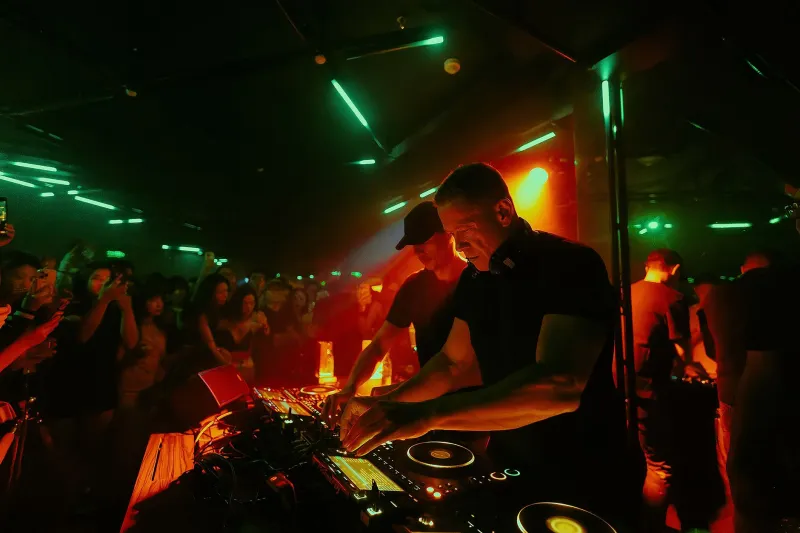
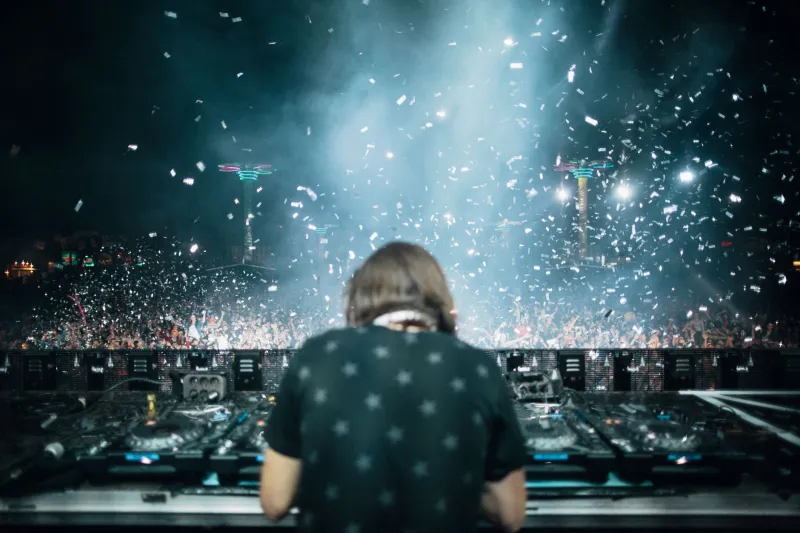
Then come the pivotal moments — a track getting picked up by an influential playlist curator, a Boiler Room or NTS Radio set, a shoutout from an established name. These aren't guaranteed, but they become far more likely when a producer already has a documented body of work and an engaged community behind them.
Case Studies Worth Watching
The UK underground is full of examples of this pipeline playing out in real time. Think about the wave of producers who built their names almost entirely through online presence before a single physical gig — artists operating in spaces like UK funky, footwork-influenced club music, and the harder edges of techno and breaks, where online communities are tight-knit and word spreads fast.
Producers who post consistently on SoundCloud and back it up with behind-the-scenes content tend to develop a reputation that precedes them. By the time a booking agent or label comes knocking, there's already a story to tell — not just a press release, but an actual documented journey that audiences have followed along with.
The smart ones are also thinking about how different platforms serve different purposes. TikTok is for discovery — short, punchy clips that hook someone in 10 seconds. Instagram is for visual identity and community maintenance. SoundCloud and Bandcamp are where the music actually lives, with the depth and context to back up the hype. A Boiler Room appearance, when it comes, is the legitimising moment that stitches it all together.
The Studio as a Stage
What's genuinely interesting here is how the studio itself has become a performance space. The old model kept the production process hidden — you only saw the finished product. Now, the process is the product, at least as far as audience engagement goes.
This shift demands a slightly different skillset from producers. You don't need to be a natural performer or a confident public speaker, but you do need some comfort with being seen working. The producers who are thriving in this space tend to be the ones who are genuinely passionate about the craft and don't mind showing the messiness of it — the wrong turns, the happy accidents, the moments of frustration before the breakthrough.
There's also a community-building dimension that can't be overlooked. Producers who engage with their audience — responding to comments, crediting influences, sharing other people's work — tend to build ecosystems rather than just followings. And ecosystems, in music, are what turn into scenes. Scenes are what turn into movements.
What Bookers Actually Want to See
Speak to promoters and bookers across the UK club circuit and a consistent picture emerges. They're not just looking for tracks — they're looking for artists who can sustain interest, who have something to say, and who come with a built-in audience that will travel.
Online presence, done well, answers all of those questions before the first email is even sent. A producer with 10,000 engaged followers and a clear aesthetic identity is a much easier conversation than someone with no online footprint and a Dropbox link to three demos.
That said, bookers are also sharp enough to spot manufactured hype. The content needs to be backed up by the music. Studio authenticity only works as a tool if the actual work is there — the late nights need to be producing something worth hearing.
Drop the Beat, Then Show How You Made It
The democratisation of music production tools — affordable DAWs, accessible hardware, cheap home recording setups — was supposed to flood the market and make it harder to stand out. And in some ways, it has. There's more music being made than ever.
But the producers cutting through right now aren't just making more — they're making it visible. They're inviting people into the process, building genuine connections with audiences, and treating their online presence as an extension of their artistic identity rather than an afterthought.
For UK producers grinding it out in spare bedrooms and converted garden sheds, the message is pretty clear: the work matters, but so does showing it. Drop the beat — then show the world how it got made.