Crowd, Clock, and Crates: How to Build a Festival-Ready DJ Set That Actually Lands
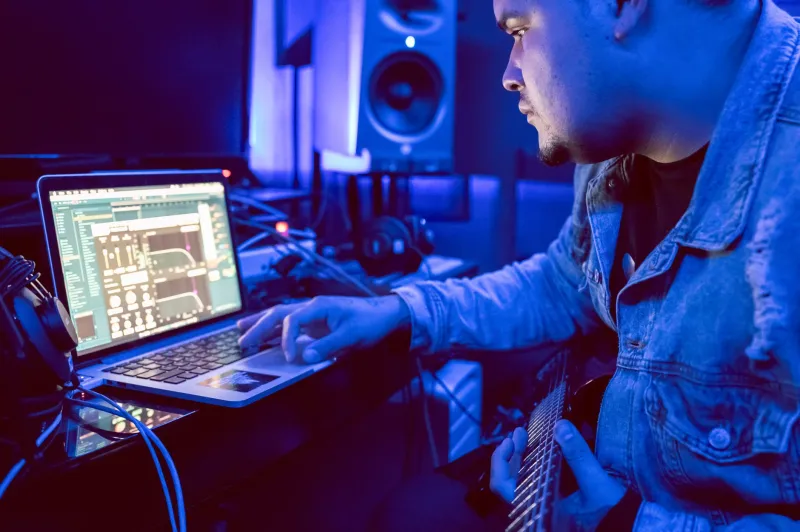
There's a particular kind of silence that happens in a bedroom studio. Just you, your headphones, a pair of decks, and the luxury of rewinding as many times as you like. Nobody watching. Nobody judging. Nobody spilling warm cider on the monitor speakers.
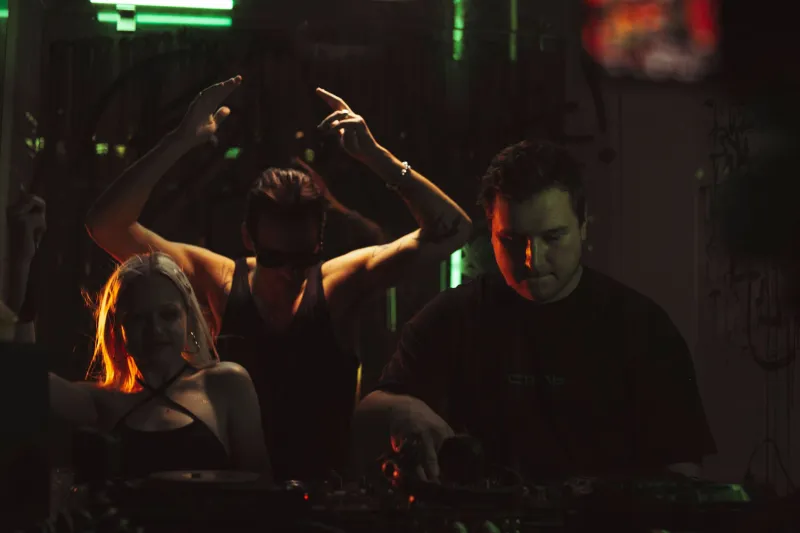
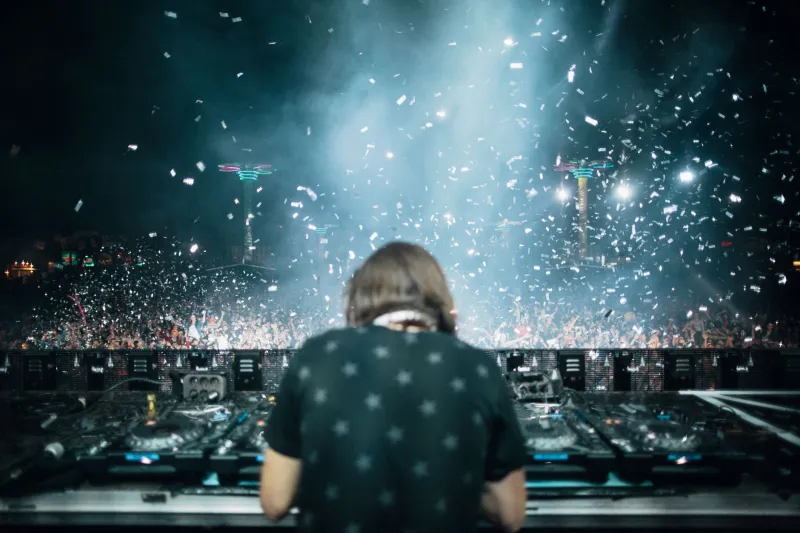
Then you get a festival slot — even a small one, maybe a mid-afternoon set at a regional stage — and everything changes. The room is real. The crowd is real. The consequences of a clunky transition or a misread moment are very, very real.
The gap between bedroom mixing and festival performance isn't just about technical skill, though that matters enormously. It's about understanding how energy moves through a crowd, how to tell a story across sixty or ninety minutes, and how to make a thousand strangers feel like you're playing specifically for them. Let's break down how to get there.
Start With Your Architecture, Not Your Tracklist
Amateur DJs build sets by listing their favourite tracks. Professional DJs build sets by designing an emotional arc first, then filling it with music.
Think of your set like a night out in three acts. The opening is the invitation — warm, curious, a little mysterious. The middle is the journey — building tension, releasing it, building again. The finale is the payoff — the moment the crowd remembers when they're on the bus home.
Before you touch your library, map this out. Decide where you want the energy to peak. Decide how many times you'll tease a drop before you actually deliver it. Think about whether your set needs a quiet moment — a breakdown, a more melodic passage — that makes the eventual climax hit harder by contrast.
This kind of structural thinking is what separates a playlist from a performance.
Track Selection: Playing for the Room, Not for Yourself
Here's the hard truth: your personal taste is only part of the equation. A festival crowd is plural. It's made up of people who've been in the field since noon, people who've only just arrived, people who are deep in their own conversations, and people who are absolutely, completely ready to dance if you give them the right signal.
Your job is to serve all of them — or at least enough of them that the energy in front of the stage starts to feel collective.
This doesn't mean dumbing down your selection. It means being strategic about it. Lead with tracks that have enough familiarity to pull people in, then use that goodwill to take them somewhere more interesting. A well-placed anthem isn't a sellout — it's a handshake. Once you've got the crowd's trust, you've earned the right to push them somewhere unexpected.
For UK festival crowds specifically, pay attention to what's been circulating on regional club nights and local pirate radio. The tastes in Bristol are different from Manchester, which are different again from what's moving people in Sheffield or Glasgow. Do your research. Know your room before you're in it.
Beatmatching Under Pressure: Keep It Clean, Keep It Moving
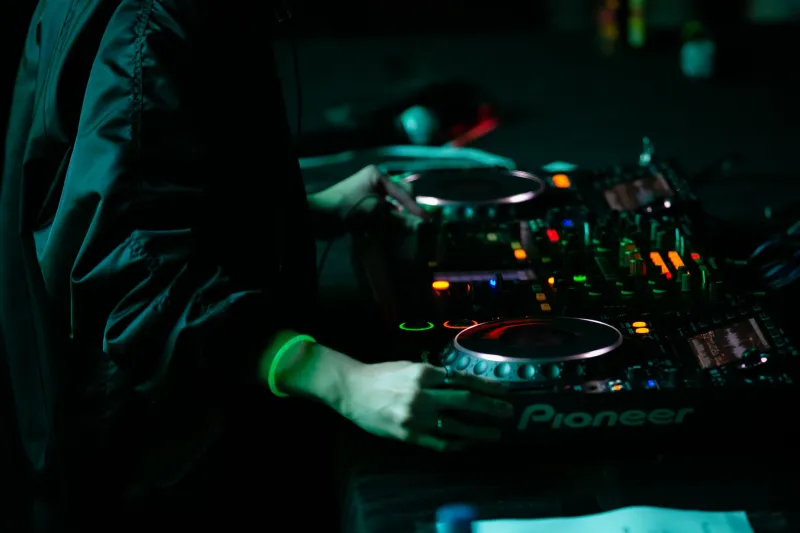
Festival sound systems are unforgiving. That slightly off-beat mix that sounded fine through bedroom monitors will sound catastrophic through a rig that's shaking the ground. Getting your beatmatching tight isn't optional — it's the foundation everything else sits on.
If you're using CDJs or controllers, get comfortable with both ear-led beatmatching and grid-assisted sync, and know when to use each. Sync is a tool, not a crutch. Understanding how to match beats by ear means you can recover when the technology misbehaves — and at a festival, something always misbehaves.
Practise transitions in different contexts: quick cuts, long blends, filter-led swaps, and acapella layering. The more tools you have, the more options you've got when the moment demands something specific. And always — always — have an exit strategy if a transition starts going sideways. Know your abort points before you need them.
Reading the Crowd in Real Time
This is the skill nobody can fully teach you. It comes from reps, from paying attention, and from being willing to throw your plan out the window when the room tells you something different.
Watch the floor, not your laptop. Are people drifting to the back? You might need to drop the energy and rebuild rather than pushing harder. Are they clustering near the stage? That's a crowd leaning in — meet them there. Are arms going up before the drop? That's a signal that they're anticipating, which means your energy arc is working.
At outdoor festival stages, you're also dealing with a moving crowd. People come and go throughout your set in ways that don't happen in a club. Don't take it personally when the front row shifts — keep playing for the people who are arriving, not just the ones who were already there.
One practical tip: identify two or three 'rescue tracks' before your set — records that you know, from experience, will reset the room if you've lost them. Don't be too proud to use them.
The Technical Checklist Before You Step Up
The creative stuff matters, but none of it lands if your technical setup lets you down. Here's what to sort before you play a single note:
- Organise your library properly. Tags, BPMs, keys, energy ratings. You should be able to find any track in under ten seconds under pressure.
- Know the BPM range of your set. If you're playing 124–132 BPM house, know where your transitions live within that range and don't drift outside it without intention.
- Prepare more music than you need. A ninety-minute set should have at least three hours of prepared material. Flexibility is everything.
- Test your gear. Obvious, but often skipped. Run your full setup — including cables and interfaces — at home before the event.
- Ask about the booth setup in advance. Will there be a monitor? What mixer are they running? Are there CDJ 2000s or are you playing off a laptop? Know before you arrive.
Building Credibility One Set at a Time
Festival slots don't usually arrive out of nowhere. They're built through a track record of smaller performances — pub nights, club residencies, local events — where you've proved you can hold a room and handle yourself under pressure.
Record your sets. Not just for promotion, though that matters too, but so you can listen back critically. Where did the energy dip? Where did a transition feel clunky? Where did something you tried actually work brilliantly? Your recorded sets are your best teacher.
Share them online. Soundcloud, Mixcloud, even a short clip on Instagram or TikTok can put your name in front of promoters who'd never have found you otherwise. The UK electronic music scene rewards consistency and authenticity — people can tell when a mix is genuine, and they respond to it.
The bedroom is where the craft gets built. The festival stage is where it gets tested. Start treating every mix — even the ones nobody hears yet — like a dress rehearsal for that moment. Because when the moment comes, you'll want to be ready to drop the beat and own the night.