Forget the Formula: Why the DJs Who Break the Rules Are the Ones We Remember
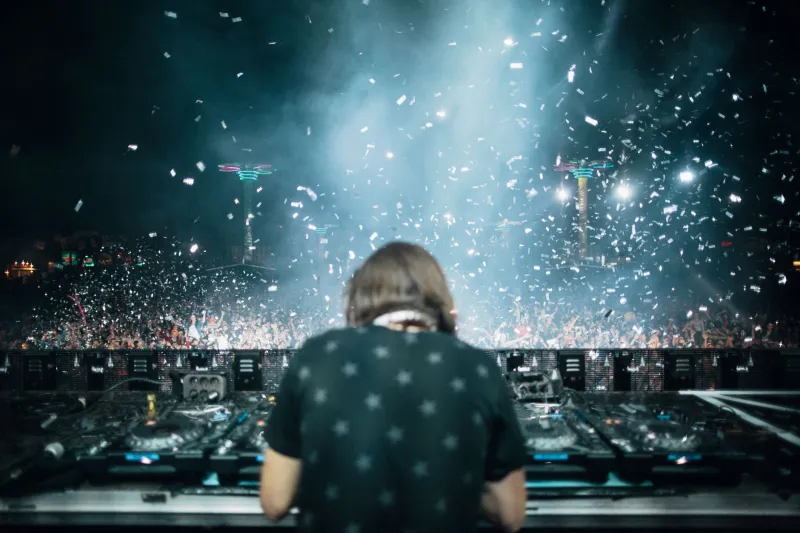
There's a version of a DJ set that works every single time. You know the one. Peak-hour banger, crowd goes up, drop hits, hands in the air, repeat. It's reliable. It's professional. And honestly? It's kind of forgettable.
Ask anyone about the DJ set that genuinely changed something for them — the night they still talk about — and nine times out of ten, it wasn't the smooth, crowd-pleasing run-through of crowd favourites. It was the moment someone did something they absolutely shouldn't have. A curveball at midnight. A deep, grinding leftfield cut dropped right into the middle of a peak-time room. A transition so unexpected it made the whole dancefloor look at each other like, did that just happen?
That's the moment. That's the one.
The Comfort Zone Is a Trap
Every DJ who's been behind a booth for any length of time knows the pull of the safe set. You've got a crowd, they're warm, they're responding — why would you risk it? The temptation to just ride the energy and deliver exactly what people expect is completely understandable. But there's a difference between reading a room and being held hostage by it.
The best DJs in the country will tell you the same thing: the crowd doesn't always know what it wants until you show it. That's not arrogance — that's craft. There's a real skill in identifying the moment when a room is ready to be pushed somewhere unexpected, and then actually having the bottle to go there.
Manchester's underground circuit has long been a breeding ground for this kind of approach. Nights that blur genre lines between UK garage, broken beat, and leftfield techno have built loyal followings not because they gave people exactly what they came for, but because they consistently surprised them. The residencies that last aren't the ones playing the safest sets — they're the ones that make regulars come back wondering what'll happen next.
Calculated Risk vs. Pure Chaos
Let's be clear about something: playing it bold isn't the same as playing it reckless. There's a massive difference between a DJ who takes a calculated artistic gamble and one who just ignores the room entirely and disappears up their own record collection.
The key word is calculated. The most memorable sets aren't random — they're the result of a DJ who knows the music deeply enough to understand which risks are worth taking and when. Dropping a slow, hypnotic minimal track into a peak-time moment doesn't work because it's unexpected. It works because the DJ has read the room well enough to know that this particular crowd, in this particular moment, is ready to follow them somewhere darker.
That's a skill that takes years to develop. It's not about ignoring the dancefloor — it's about trusting your knowledge of music and human energy enough to lead rather than just follow.
London's warehouse scene has produced DJs who've made entire careers out of exactly this tension. Playing records that sit slightly outside what the crowd thinks they want, then watching the room slowly, inevitably come around. There's a quiet confidence in that approach that you simply can't fake.
The 3am Permission Slip
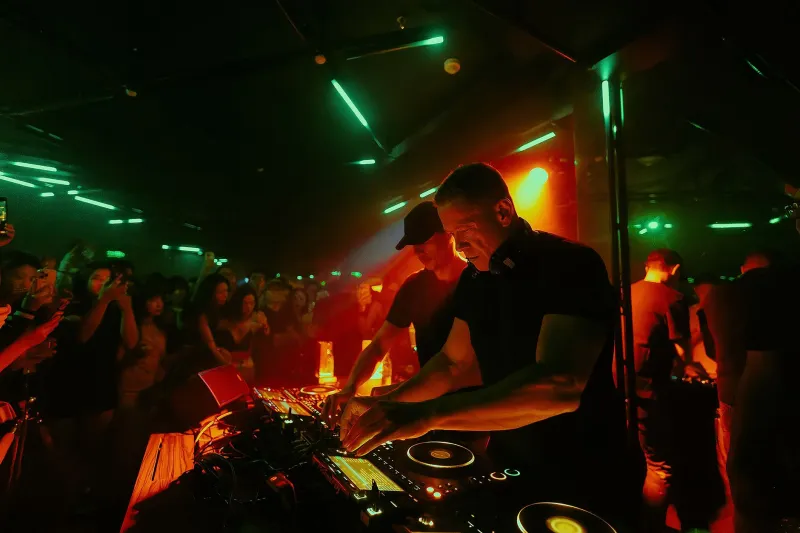
Something interesting happens in the small hours. As a night deepens and the crowd thins to the true believers — the ones who've stayed, who are in it — the unspoken rules of a dancefloor shift. The casual crowd has gone home. What's left is a room full of people who've actively chosen to still be there, and that changes the dynamic completely.
This is where the real magic tends to happen. The 3am crowd isn't asking for comfort. They're asking for something they've never heard before. And a DJ who recognises that shift and responds to it — who takes the moment to reach for something genuinely left-of-centre — is the one who earns a reputation that outlasts the night itself.
This doesn't mean every late-night set has to become an avant-garde experiment. But it does mean that the window is open. The permission is there. The question is whether you've got the track selection and the nerve to use it.
Building a Reputation on Boldness
Here's the thing about playing it safe: it's invisible. Nobody talks about the set that delivered exactly what was expected. There are no conversations in the smoking area about the DJ who played all the right records in all the right order. Safe sets don't build reputations — they just pass through without leaving a mark.
Bold sets, on the other hand, get talked about. They get clipped and shared. They start conversations. They make people seek out that DJ's name on a lineup and feel something when they see it.
Across the UK festival circuit, from Glastonbury's late-night stages to the sweaty basement rooms at Fabric and Warehouse Project, the DJs who've built real cultural weight are almost always the ones who've been willing to divide a room occasionally. A moment of genuine artistic courage — even one that doesn't fully land — communicates something that a technically perfect but risk-free set never can. It says: I have a point of view. I believe in this music. I'm not just here to make you nod along.
That authenticity is magnetic. People can feel the difference between a DJ who's curating an experience and one who's just filling a slot.
How to Start Taking the Risk
If you've been playing it safe and want to start pushing things further, the shift doesn't have to be dramatic. Start small. Build one unexpected moment into a set — one track that sits slightly outside your usual range, one transition that surprises even you a little. Pay attention to how the room responds, but more importantly, pay attention to how you feel.
The goal isn't to alienate anyone. It's to develop the confidence to trust your own taste. That confidence, once built, is what separates DJs with long careers from ones who plateau.
Spend time with music that makes you uncomfortable. Dig into genres you don't fully understand yet. Find the edges of your own taste and start working out from there. Because the tracks that challenge you are usually the ones that'll challenge your crowd in the best possible way.
Drop the Formula, Own the Night
The dancefloor rewards the brave. Not reckless, not self-indulgent — but genuinely, thoughtfully brave. The DJs who've built the most enduring reputations in UK club culture haven't done it by giving crowds exactly what they wanted. They've done it by showing crowds something they didn't know they were missing.
The formula will always be there when you need it. But the nights worth remembering? Those come from the moments when you put it away.