On Air, On the Rise: How UK DJs Are Turning Home Studios Into Career-Launching Broadcast Platforms
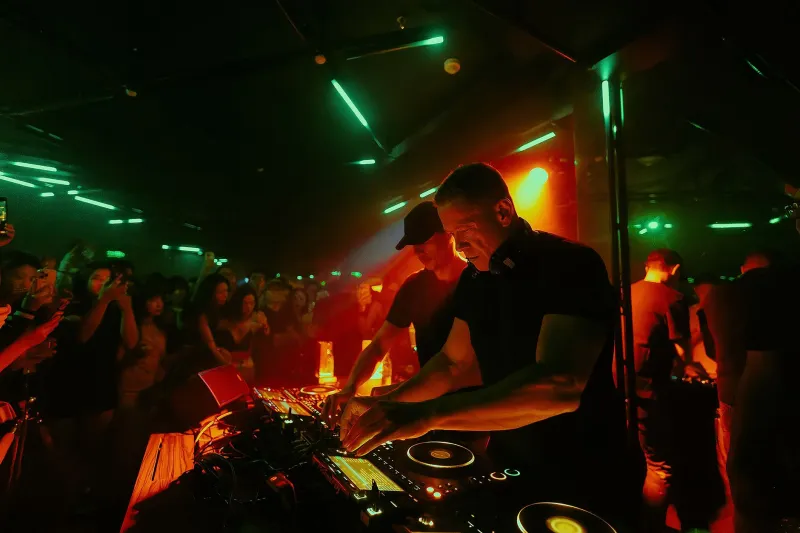
There's a moment every DJ knows. You've just wrapped a set that felt absolutely electric — the transitions were clean, the crowd was locked in, and the energy in the room was something you couldn't manufacture if you tried. Then the night ends, the lights come up, and that moment evaporates. Unless you've been broadcasting.
Across the UK, a growing wave of DJs are working out that the smartest move they can make isn't just booking more club nights — it's building a broadcast presence that keeps them relevant between gigs, deepens their connection with listeners, and puts their name in front of people who'd never step foot in a sweaty basement at 2am. Underground radio shows and podcast platforms have quietly become one of the most powerful career tools in the game, and the best part? You don't need a record label or a PR budget to make it work.
Why Radio Still Slaps in the Streaming Age
It might seem counterintuitive. We live in a world where any track ever recorded is a thumb-swipe away. Why would anyone tune into a DJ's radio show when they could curate their own playlist? The answer, as anyone who's got hooked on a good mix show will tell you, is that discovery feels different when someone else is doing the digging.
Platforms like NTS Radio, Rinse FM, and Reprezent have built genuine cultural institutions out of this idea. They've proven that UK audiences are hungry for curated listening experiences with personality behind them — not algorithms. When a DJ hosts a regular show, they're not just playing tracks. They're building a world. They're the guide, the editor, and the storyteller all at once.
For emerging DJs, that's an enormous opportunity. A consistent weekly or monthly slot — even on a small community station or a self-hosted podcast — creates a rhythm that followers can organise their lives around. That kind of habitual listening builds the sort of loyalty that a one-off club night simply can't replicate.
Setting Up: More Affordable Than You Think
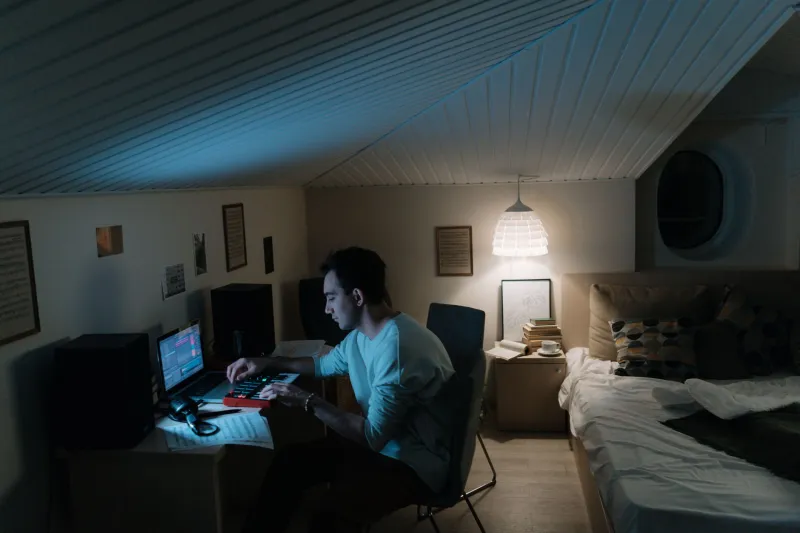
One of the biggest myths about broadcast-quality audio is that you need to spend thousands to achieve it. You don't. The DJs who are doing this well have figured out that a focused, modest setup can sound genuinely professional with the right approach.
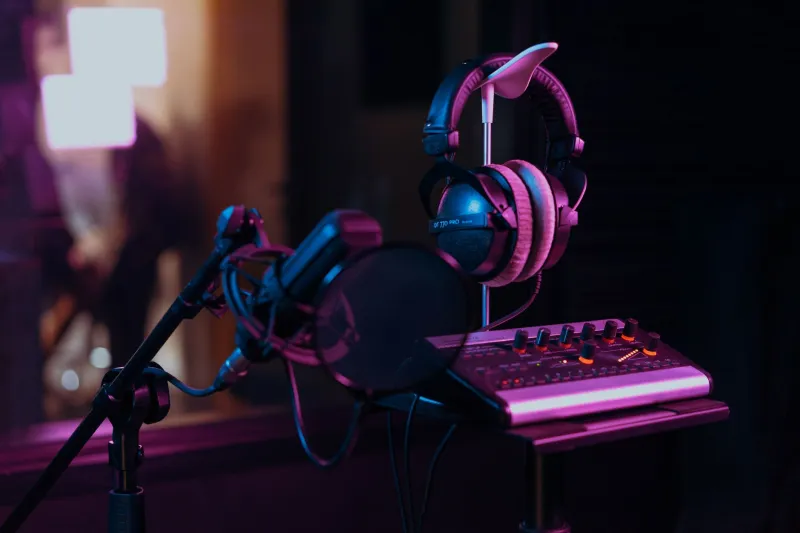
At the core, you're looking at a decent USB audio interface — something like a Focusrite Scarlett or a Native Instruments Komplete Audio — paired with a condenser microphone for any spoken word sections. Your existing DJ controller or mixer feeds into the interface, and software like Mixxx, OBS, or even Audacity handles the recording and, if you're streaming live, the broadcast.
Acoustics matter more than most people realise. A bedroom with bare walls and hard floors will make even the cleanest mix sound amateurish. Soft furnishings, a duvet hung behind the mic, or proper acoustic foam panels can transform the sound without major investment. Several DJs have spoken about spending more time on acoustic treatment than on equipment upgrades — and hearing the difference immediately.
For live streaming, platforms like Mixcloud Live, Twitch, and even YouTube have lowered the barrier to entry significantly. The key is consistency and quality over flash. A reliable stream schedule builds an audience far more effectively than a single high-production broadcast every few months.
The Art of the Show: Storytelling Over Track Listing
Here's where a lot of DJs get it wrong. They treat their radio show or podcast like a recorded club set — all music, no context, no personality. That works fine for certain formats, but it misses the bigger opportunity.
The DJs building real audiences through broadcast are treating their shows like editorial projects. They're thinking about themes, narratives, and the emotional arc of a listening experience. Some open with a brief spoken introduction that sets the tone — not a lengthy monologue, just enough to tell the listener what world they're stepping into. Others weave in artist shoutouts, regional scene updates, or reflections on tracks that have shaped their sound.
This doesn't mean you need to become a radio presenter overnight. Authenticity matters far more than polish. A genuine thirty-second observation about why a particular track moved you will resonate more deeply than a scripted segment. The goal is to let your personality breathe alongside the music.
Episode titles and descriptions matter too, especially for podcast discoverability. A vague "Mix 47" tells a potential new listener nothing. Something like "Deep Sheffield Warehouse Sounds, January 2025" gives context, signals a specific vibe, and helps with search. Small details like this compound over time.
From Podcast to Payday: Real Career Momentum
The proof is in the bookings. Across the UK, DJs who've invested in broadcast presence consistently report that it's one of the most direct lines to professional opportunities they've found.
Promoters listen. A&R people listen. Festival bookers listen. When you've got a back catalogue of quality mixes with a consistent voice and a demonstrable audience, you're not just another name in a booking enquiry inbox — you're a known quantity with a proven following. That changes the conversation entirely.
Several emerging artists have pointed to their podcast presence as the thing that got them into rooms they couldn't otherwise access. One DJ from Manchester described how a promoter from a well-known London club night had been following their podcast for six months before reaching out. The show had done the relationship-building work long before any direct contact was made.
Label interest works similarly. A well-curated show demonstrates taste, technical ability, and professionalism. It's an audition that runs on a schedule you control, to an audience you've built, on your own terms.
Building Community, Not Just Numbers
The metric that matters most in broadcast isn't total downloads or stream count — it's engagement. A tight community of five hundred genuinely invested listeners is worth more to a DJ's career than ten thousand passive ones.
The DJs who understand this focus on building two-way relationships with their audience. They respond to comments, shout out regular listeners, take track suggestions, and occasionally pull back the curtain on their creative process. Social media extensions of the show — a Discord server, a WhatsApp community, even a well-maintained Instagram — keep the conversation going between episodes.
This community-first mindset also provides a safety net when algorithms shift or platforms change their terms. An audience that feels genuinely connected to you will follow you wherever you go. That's not something any streaming platform can take away.
Drop the Beat, Own the Airwaves
The club night will always be the heartbeat of UK dance music culture. But the DJs who are building sustainable, long-term careers are the ones who understand that the work doesn't stop when the decks go quiet. Every episode you record, every stream you run, every listener you bring into your world is another brick in something that lasts.
The bedroom studio isn't a consolation prize for not being on a big stage. For the sharpest DJs working right now, it's where the real work gets done.