Refix Culture: How UK DJs Are Weaponising Remixes to Own the Dancefloor
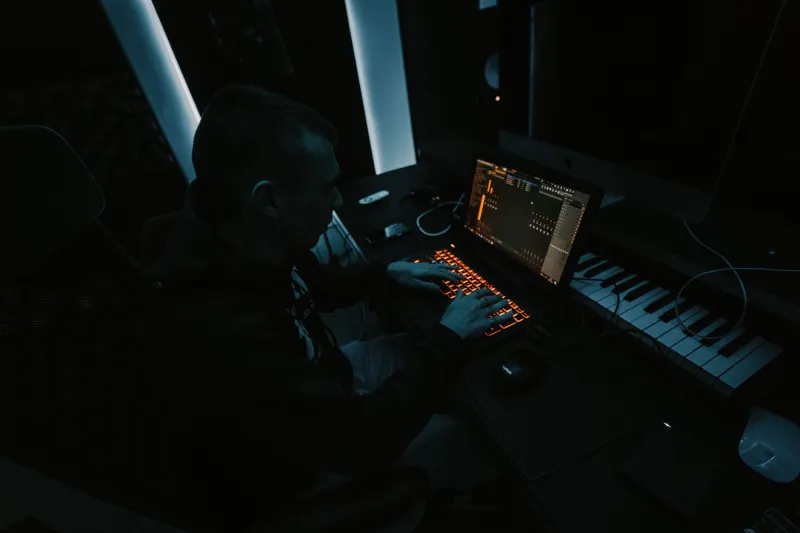
There's a moment every serious clubber knows. The DJ drops something familiar — a bassline, a vocal hook, a drum pattern you've heard a hundred times — but it's been twisted into something you've never heard before. The recognition hits first, then the surprise, then the floor goes absolutely mental. That's the power of the refix. And in 2024, it's become one of the most important creative tools in a UK DJ's arsenal.
Why Remixes Matter More Than Ever
Streaming has made music almost frictionlessly accessible. Spotify, Apple Music, YouTube — if a track exists, a punter can hear it. Which means the days of a DJ holding a secret weapon simply by owning a rare import are largely over. The new currency isn't exclusivity of access. It's exclusivity of version.
A DJ who plays a well-known vocal over a completely rebuilt instrumental — tighter, darker, tuned to the room — is doing something nobody else in the world can do that night. That's the creative edge that remixes, edits, and bootlegs provide. And in the UK, where club culture has always had a particularly restless appetite for novelty, this practice has become deeply embedded in how the best DJs build their identity.
"Everyone's got access to the same records," says Tasha, a Manchester-based house DJ who started producing her own edits after noticing how flat certain tracks felt in the rooms she was playing. "If I want to play a vocal I love but the original production doesn't fit the energy of my set, I'll rebuild the instrumental myself. It's not about showing off production skills — it's about making the track work."
The Difference Between a Bootleg, an Edit, and a Remix
These terms get used interchangeably, but they mean different things — and the distinctions matter, particularly when it comes to what you can legally do with the result.
A remix in the traditional sense involves being granted access to the original stems (the individual elements of a track) by the rights holder, and producing a new version. This is a formal, often paid arrangement. Major labels commission remixes as marketing tools; independent artists offer them as relationship-building exercises with DJs they respect.
An edit is simpler — it's a structural rework of the existing master recording. You're not rebuilding from stems; you're cutting, looping, extending, and rearranging the finished track. Classic DJ edits extend intros for easier mixing, strip out breakdowns that kill energy, or loop a section that the original didn't milk long enough. Technically, this still involves copying a copyrighted recording, which puts it in grey territory — but edits have been part of DJ culture since the 1970s and the industry largely tolerates them when they're not being commercially distributed.
A bootleg goes further — it's typically an original production that samples or incorporates elements of a copyrighted track without clearance. These are the most legally precarious, but also often the most musically exciting. The UK has a long and storied bootleg culture, from the mash-up explosion of the early 2000s to the current wave of drum & bass and UK garage refixes circulating on private SoundCloud pages.
How DJs Actually Source and Build These Tracks
The workflow varies widely depending on the DJ's production skills, but a few approaches dominate.
For DJs with a production background, the process often starts with an acapella — either sourced from official release packages, purchased from acapella stores, or extracted from a track using AI-powered stem separation tools like Lalal.ai or Moises. Once the vocal is isolated, a new instrumental is built from scratch in Ableton, Logic, or FL Studio. The result is entirely original music that happens to feature a recognisable voice.
For DJs with less production experience, stem separation tools have genuinely democratised the edit game. You don't need to be a producer to use Moises or RipX to isolate a bassline or strip out a vocal. Simple edits — extending a track's intro, cutting a section, layering a drum loop — can be done in Ableton Live Lite or even Audacity.
"I'm not a producer, but I make edits," explains Demi, a Leeds-based selector who focuses on Afrobeats and UK funky. "There are tracks I love where the mix-out just doesn't work for me. So I'll build a cleaner ending, maybe extend the groove, and it becomes mine in a way the original isn't."
The Social Currency of the Refix
Beyond the dancefloor impact, remixes and edits have become a powerful networking tool. Reaching out to an unsigned artist to offer a refix is one of the most effective ways for a DJ to build a genuine relationship with a producer. If the edit gets played out and the response is strong, it creates a story both artists can tell. The producer gets exposure; the DJ gets an exclusive.
This is increasingly how new talent gets heard in the UK electronic scene. A DJ with a strong edit of your track and a loyal following is worth more than a playlist placement. It's active, live endorsement in front of a physical crowd.
Several UK DJs have built significant profiles almost entirely on the strength of their edit and bootleg game. Their social media feeds aren't full of release announcements — they're full of phone footage from floors losing their minds to something that technically doesn't officially exist.
The Legal Grey Area: What You Need to Know
Let's not pretend there's no risk here. Sampling without clearance and distributing bootlegs commercially is copyright infringement, full stop. The music industry has become more litigious, and AI-powered content ID systems mean that tracks containing uncleared samples can be taken down quickly from streaming platforms.
The practical approach most DJs take is to keep bootlegs and unofficial edits out of commercial distribution. They're played live, shared privately with other DJs, or uploaded to SoundCloud as free downloads without monetisation. This doesn't eliminate legal risk entirely, but it reflects the industry's historical tolerance for a practice that ultimately promotes the original music.
If you're serious about releasing remixes properly, look into obtaining a licence through a music licensing platform, or simply reach out to the artist directly. Unsigned and independent artists are often thrilled to have a DJ refix their track — and a simple email agreement is better than nothing.
The Sound That's Yours
At its core, the refix culture is about authorship. In a world where DJs can access the same music simultaneously, the ones who build a distinctive identity are the ones who don't just play music — they reshape it. The edit that only you have, the bootleg that floors your crowd every time, the remix that an artist shares because it made them sound better than the original: that's your sound. That's what keeps people coming back.
Learn to build it. Own it. Drop it.