Likes to Lineups: How UK Bedroom Producers Are Hacking Their Way onto Festival Stages
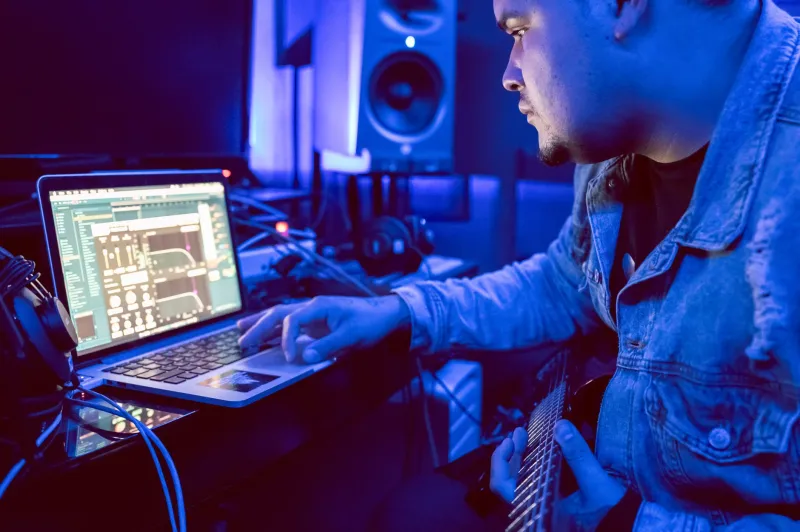
There's a bedroom in Salford where, at some point last Tuesday night, a 23-year-old producer called Reece was bouncing between three monitors — one running Ableton, one scrolling TikTok comments, one open on a Discord server with just under 4,000 members. By the time he went to sleep, a clip of him building a rolling UK garage loop had clocked 180,000 views. By Friday, he had two festival enquiries in his inbox.
This is what breaking through looks like in 2024. No manager. No label. No industry showcase. Just a phone, a decent interface, and an audience that grew organically because people genuinely liked what they heard.
The traditional pathway into the UK festival circuit — make music, get signed, get plugged by a PR firm, get booked — hasn't disappeared entirely. But for a generation of producers who grew up with social media baked into their creative process, it increasingly feels like someone else's roadmap.
The TikTok Effect: More Than Just Viral Moments
It's easy to dismiss TikTok as a place for dance trends and lip-sync videos, but electronic music producers have quietly colonised it in a way that's genuinely changed the discovery pipeline. The platform's algorithm doesn't care about follower counts the way Instagram once did. A clip from an account with 200 followers can land in front of half a million people if the engagement is there.
For producers, that's a leveller. You don't need a co-sign from a major artist or a Beatport chart position to get your music in front of a relevant audience. You just need content that connects.
The smart ones aren't just posting finished tracks, either. Process videos — showing the making of a drop, breaking down a sample flip, explaining why a particular kick drum sits where it does in the mix — pull in two audiences at once: fans who love the music and fellow producers who love the craft. That dual appeal creates communities with real staying power.
Manchester-based producer and DJ Asha Voss, who plays under the name Wavelength, started posting production breakdowns on TikTok in early 2023. Within eight months she'd grown a following of 62,000 and, crucially, had been approached by two regional festival promoters who'd discovered her through the platform. "I never sent a booking enquiry to anyone," she says. "They came to me because they'd seen the engagement on my videos and figured the audience would follow. Which they did."
Discord: Where Fanbases Become Communities
If TikTok is the billboard, Discord is the living room. The platform — originally built for gamers — has become one of the most important infrastructure tools for independent artists building long-term audiences. Unlike social media feeds that are subject to algorithmic whims, a Discord server is a direct, persistent channel between an artist and their most dedicated followers.
Producers are using it in genuinely creative ways. Early listening sessions for unreleased tracks. Polls that let community members vote on setlist choices before events. Exclusive sample packs and project files for subscribers. Behind-the-scenes breakdowns that never make it to public platforms.
The result is a fanbase that feels involved rather than just informed. And that sense of ownership — the feeling that you were there before the headline slots — creates a loyalty that translates directly into ticket sales.
Leeds-based DJ and producer Dom Farrell, who runs a Discord community called The Grid with around 3,500 members, describes it as his "most valuable booking tool, even though it wasn't built for that." When he was offered a slot at a mid-sized festival in Yorkshire last summer, the promoter told him point-blank that the decision was partly based on the activity they'd seen in his server. "They said they could see I had a real community, not just a following. That distinction matters to them now."
Promoters Are Paying Attention
The shift isn't just happening on the artist side. Festival promoters and booking agents — particularly those working with smaller, independent events — are increasingly scouting talent through exactly these channels.
The economics make sense. A producer with 50,000 TikTok followers and an active Discord community brings something tangible to a lineup: a proven audience with demonstrated engagement. That's a different conversation to one built entirely around Spotify streams or SoundCloud plays, which can feel passive by comparison.
Several UK booking agents have quietly started monitoring Discord servers and TikTok comment sections as part of their A&R process. The logic is straightforward — if people are already showing up online to talk about an artist, there's a reasonable chance they'll show up in a field.
This doesn't mean the old networks have vanished. Relationships, reputation, and industry trust still matter enormously, especially for larger festival slots. But the entry point has shifted. You can now arrive at those conversations with evidence of your audience already in hand.
The Craft Behind the Content
Here's the thing that often gets glossed over in conversations about social media success: the producers making this work aren't cutting corners on the music. The TikTok clips and Discord communities are just the delivery mechanism. The foundation is still craft.
Reece, back in that Salford bedroom, has been making music since he was 15. He can talk for twenty minutes about sidechain compression or why he prefers hardware reverb units for certain textures. The content works because the music is good and because his genuine enthusiasm for the process comes through on camera.
That authenticity is hard to fake, and audiences — particularly electronic music audiences, who tend to be quite technically literate — can smell inauthenticity quickly. The producers who are building sustainable careers through these platforms aren't doing it by gaming the algorithm. They're doing it by being genuinely good at what they do and finding new ways to show people why.
What This Means for the UK Scene
The broader implication here is a healthier, more diverse festival circuit. When the gatekeepers are algorithms and community engagement rather than industry relationships alone, different voices get through. Producers from cities and towns that aren't London, artists from backgrounds that don't fit the traditional music industry mould, sounds that wouldn't have made it through a conventional A&R filter.
That's not a small thing for a scene that's always drawn its energy from the underground upward.
The bedroom-to-main-stage journey has never been straightforward, and it still isn't. But the tools available to independent UK producers right now — a phone, a DAW, and the willingness to build in public — have genuinely shifted the odds. The drop still needs to hit. But now there are more ways than ever to make sure people are there to feel it.