Grime, Grit, and Genius: Meet the UK Underground Acts Rewriting the Rules of Electronic Music
There's a certain kind of magic that only happens when nobody's watching. No label A&R lurking in the shadows, no festival booker ticking boxes, no algorithm deciding what gets pushed to the top of a playlist. Just a producer hunched over a laptop at 2am, chasing a sound that doesn't quite exist yet. That's where the real UK electronic music story is being written right now — and honestly, it's more thrilling than anything happening on a main stage.
The underground has always fed the mainstream. Acid house started in dodgy warehouses before it ended up on Top of the Pops. Jungle was a pirate radio thing before it became a cultural institution. And right now, if you know where to look, the same kind of seismic shift is happening again — simultaneously in Bristol, Manchester, Glasgow, and half a dozen other cities that don't get nearly enough credit.
Bristol's Broken Beat Resurrection
Bristol has always done its own thing. From the trip-hop era that put Massive Attack and Portishead on the map, to the bass music scene that followed, the city has a stubborn refusal to follow trends that makes it genuinely one of the most fertile creative environments in the country.
Right now, a loose collective of producers centred around the Stokes Croft area are dragging broken beat — that jazzy, syncopated UK dance genre that briefly flared in the early 2000s before fading — back into the light. But it's not a nostalgia trip. Artists like Yemi Bolatiwa (who records under the alias Fractured Copper) are folding in Afrobeats rhythms, garage textures, and live instrumentation to create something that sounds genuinely new even as it nods to the past.
"Broken beat never really died," Yemi told us over the phone from her studio — which is, she's quick to point out, a converted cupboard in her shared house. "It just went quiet. And sometimes things need to go quiet before they can say something worth hearing."
Her debut EP, self-released last spring on Bandcamp, racked up over 40,000 plays without a single paid promotion. Word of mouth. People sharing links in WhatsApp groups. The old-fashioned way, basically.
Manchester's Acid Revival and the DIY Venue Scene
Up north, Manchester is doing what Manchester does — taking something old and making it feel urgent again. The city's acid house resurgence isn't being led by veterans of the Haçienda era, either. It's a younger generation, many of whom weren't even born when 808 State were filling warehouses, who've fallen hard for that squelching TB-303 bassline and built entire creative identities around it.
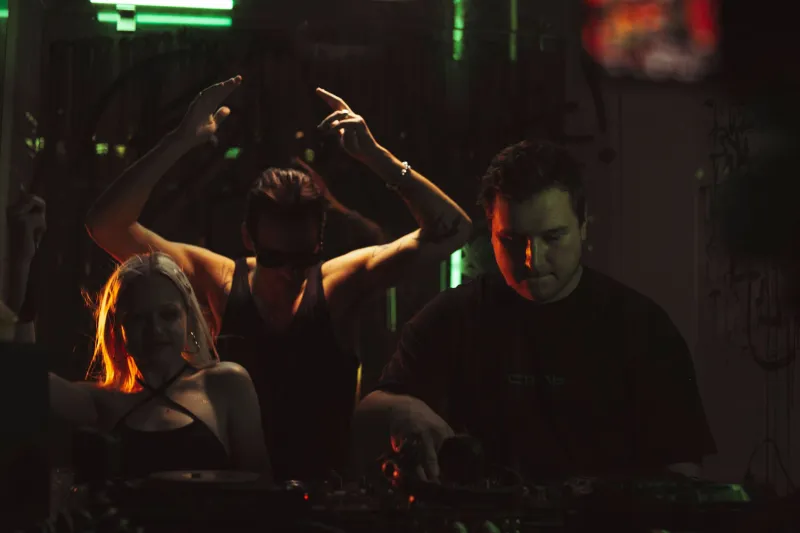
The epicentre is a network of DIY venues that operate in a kind of semi-legal grey zone — repurposed industrial units, arts spaces, and the kind of rooms above pubs that have hosted counter-culture for decades. Nights like Plastik Surgery and Void Theory have become genuine institutions among those in the know, pulling crowds of a few hundred people who are there specifically because it isn't a Printworks or a Fabric.
Producer and DJ duo Asha & Declan (who perform together as Chlorine Dream) have been at the heart of this scene for three years. "The size is the point," Declan explains. "When there's 200 people in a room and the ceiling's dripping and everyone's losing their minds to a track nobody's heard before — that's the thing. You can't replicate that in an arena."
Asha adds that the DIY ethos extends well beyond the venues themselves. "We make the flyers, we book the acts, we run the door, we do the social media. It's exhausting but it also means nobody can tell us what to do. The music always comes first."
Pirate Radio in the Streaming Age — Still Vital, Still Illegal
You'd think that in an era of Spotify, SoundCloud, and Mixcloud, pirate radio would be a relic. You'd be wrong. Across London, Birmingham, Sheffield, and beyond, unlicensed FM stations are still broadcasting — and they remain one of the most important incubators for new electronic music talent in the country.
The format has evolved, though. Many stations now simulcast online, building audiences that stretch far beyond their transmitter range. NTS Radio and Rinse FM have shown that there's a genuine appetite for the kind of eclectic, presenter-led programming that commercial stations abandoned years ago. But for every NTS, there are a dozen smaller operations running out of tower blocks and backrooms, playing music that hasn't been signed, licensed, or approved by anyone.
For producers, getting your track played on one of these stations is still a genuine rite of passage. It's how you know you've made something real. "When I heard my first tune on the radio — a proper FM signal, not a stream — I nearly crashed my car," admits Sheffield-based producer Liam Okafor, who records as Low Pressure System. "It felt more real than any Spotify stream ever has."
The Craft Behind the Chaos
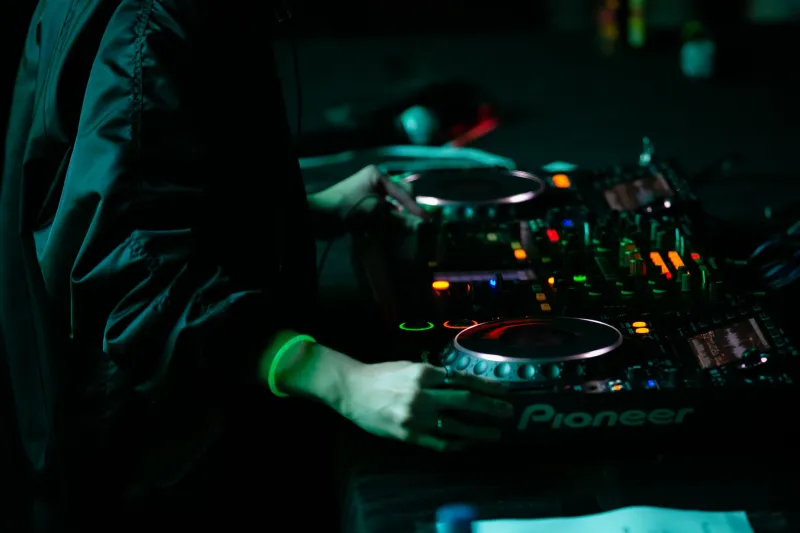
What's striking about all these scenes is how seriously the people involved take the technical side of what they do. These aren't bedroom hobbyists messing about with presets. The producers coming up through the UK underground are, in many cases, obsessive students of sound design, arrangement, and DJ technique.
Many cite the same influences — not just musical ones, but the culture of craft that surrounds electronic music. Learning to read a room. Understanding the relationship between BPM and energy. Knowing when to hold back and when to let a track breathe. The kind of knowledge that used to be passed down in record shops and has now migrated to Discord servers, YouTube tutorials, and the occasional masterclass run out of a community centre.
"You've got to put the hours in," says Yemi. "People hear a track and think it just happened. But that might be three months of work. Every sound is a decision. Every silence is a decision."
Why This Matters for the Wider Scene
Here's the thing about underground scenes: they don't stay underground forever. The producers and DJs making waves in Bristol's broken beat circles or Manchester's acid rooms right now are the ones who'll be on festival bills in three years. The sounds being tested in 200-capacity basements will eventually find their way into the sets of bigger names — that's how it's always worked.
Which means paying attention now isn't just about being ahead of the curve (though that's a nice bonus). It's about understanding where electronic music actually comes from. The creativity, the risk-taking, the sheer bloody-mindedness of people making music on their own terms — that's the engine that keeps the whole thing running.
So next time you're weighing up whether to go to that slightly sketchy-sounding night in an industrial estate on the edge of town, or stick to somewhere more comfortable — maybe take the risk. The drop hits different when nobody's sold you a ticket in advance.