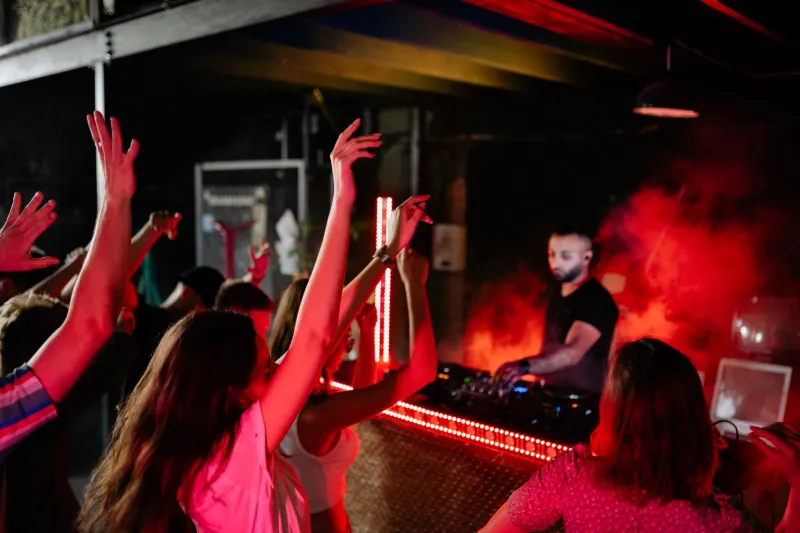
Small Stage, Big Break: The Hidden Festival Circuit Where UK DJs Are Actually Getting Started
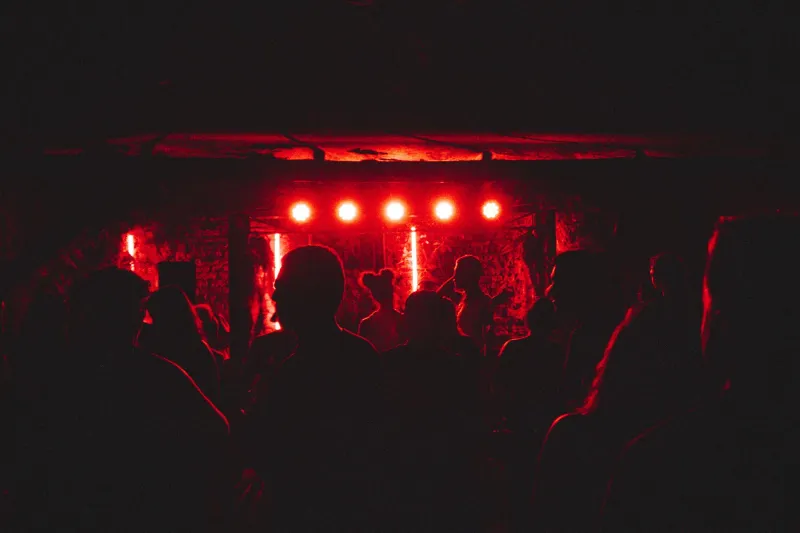
You won't find their names on the poster. You might not even find the stage without asking someone who's been before. But tucked behind the main arena, or at the far end of a muddy field, or in a tent that holds maybe 200 people at a push — that's where some of the most exciting DJ sets at UK festivals are happening. And more importantly, it's where the next generation of talent is quietly building something real.
The UK festival circuit gets a lot of attention for its headliners. But the ecosystem beneath the top of the bill is vast, complicated, and — for rising DJs — genuinely full of opportunity. If you know how to navigate it.
The Anatomy of a Festival Undercard
Most major UK festivals operate on a tiered structure that goes well beyond the headline stage. Below the main and second stages, you'll typically find a range of smaller arenas — often independently curated, sometimes run by external promoters or collectives who've negotiated a stage allocation from the festival.
These are the spaces where interesting things happen. The Bandstand, the Bimble Inn, the Ambient Forest, the Rave Cave — every festival has its version of them, and collectively they represent dozens of DJ slots across a weekend that never appear in the mainstream festival conversation.
At events like Boomtown, Glastonbury's Block 9, Shambala, or Junction 2, these areas aren't afterthoughts — they're often the most culturally significant parts of the festival. They draw dedicated crowds who actively seek out the underground programming, and they're curated by people who genuinely care about music rather than just ticket sales.
"The smaller stages are where the real selection happens," says Bristol-based DJ and promoter Amara Osei, who has played multiple festival undercards across the South West over the past four years. "The curators of those spaces are often way more musically adventurous than the people booking the main stage. They take risks on artists who haven't got the streaming numbers yet but have something to say."
The 3am Economy
There's a specific kind of slot that deserves its own mention: the late-night and early-morning sets that happen when most of the festival is asleep.
These slots — 2am to 5am in a small outdoor tent or a low-lit rave space — are often where the most devoted music fans congregate. The casual attendees have gone to bed. What's left is a tight, committed crowd who are there specifically for the music. For a DJ, it's one of the best possible environments to work in.
"Playing a 3am slot at a festival is honestly one of my favourite things," says Leeds DJ and producer Kiran Mehta, who's built a reputation on exactly these kinds of late-night appearances. "The crowd self-selects. Everyone there wants to be there. You can go deeper, weirder, longer — and they're with you the whole way."
Mehta's path is instructive. He started out playing 45-minute slots in festival tent spaces no one had heard of, built a following through those appearances, and has since graduated to headline slots at some of the same festivals' more prominent arenas. "Every booking I've had that mattered came from someone seeing me in a small tent at 4am," he says. "That's not a coincidence."
How to Actually Get These Slots
Here's the practical reality: most of these stages aren't booked through traditional channels. You're not going to land a Glastonbury tent slot by submitting to the general application form. These spaces are curated by specific collectives, promoters, and communities — and getting in means getting connected.
Research the curators, not just the festivals. Find out who runs the stages you want to play. Most have their own nights, their own social media presence, their own booking email. Approach them directly with a mix that's relevant to what they do — not a generic promo pack.
Play their club nights first. Most festival stage curators also run club nights. Getting on their regular roster is often the fastest route to a festival slot. It's a relationship game, and relationships are built over time.
Make it easy to say yes. Have a proper EPK. Have a tight mix that demonstrates your range. Have a clear idea of what you bring to the table that's different. Curators of smaller stages are often more receptive to emerging talent than big bookers — but they're still busy people who need to be convinced quickly.
Amara Osei adds another angle: "Volunteer at festivals. Genuinely. You meet the people who run these spaces, you understand how they operate, and when you pitch to them later, you're not a stranger. That's massively underrated."
The Reputation That Builds From the Bottom
There's a particular kind of credibility that comes from having done the work at the bottom of the bill. DJs who've earned their stripes in the small tents and the late-night fields carry something with them that can't be faked — a comfort with any crowd, in any conditions, at any hour.
"Festival crowds are unpredictable," says Kiran Mehta. "The sound system might be terrible. It might be raining. Half your crowd might have wandered in by accident. Learning to handle all of that in a 200-person tent makes you a better DJ for every other situation you'll ever face."
The UK festival circuit — from the massive three-day events down to the intimate 2,000-capacity weekenders dotted across the countryside — is genuinely one of the most accessible routes into DJ culture for emerging talent. But it requires a shift in mindset. Stop looking at the poster and start looking at the programme. Stop aiming for the main stage and start targeting the tent in the corner.
That's where the doors are actually open. And that's where the careers that matter are quietly getting started.
Drop the beat — even if the stage is small. Especially if the stage is small.