Dead Air, Alive Room: How UK DJs Are Using Silence as Their Most Powerful Weapon
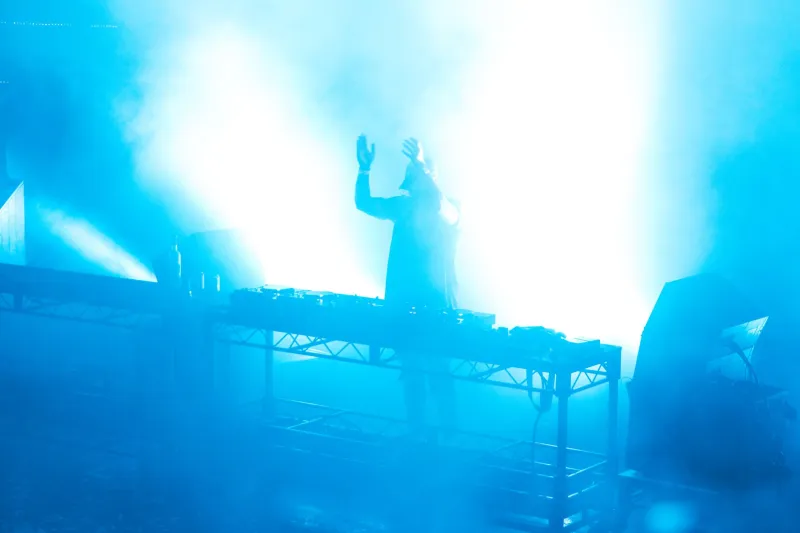
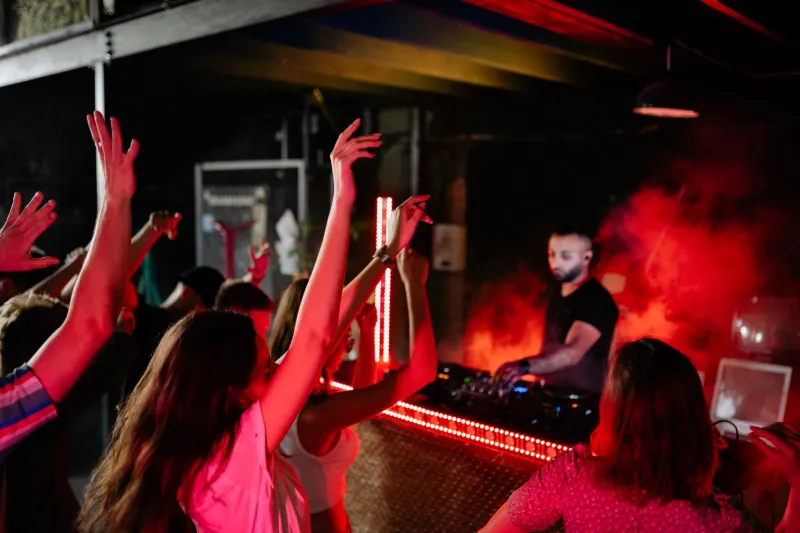
There's a moment in a great DJ set — easy to miss if you're not paying attention — where everything stops. Not a fade, not a blend, not a filter sweep into the next record. Just silence. A beat or two of nothing. And then the next track drops, and the room absolutely loses it.
It sounds counterintuitive. In a culture that prizes seamless mixes, unbroken energy, and the relentless forward momentum of a well-built set, deliberately cutting the music feels like a mistake. But a growing number of UK DJs are making the case that a carefully placed pause isn't dead air — it's the sharpest tool in the box.
More Than a Mixing Trick
Let's be clear about what we're talking about here. This isn't the same as leaving space within a mix — using stripped-back breakdowns, letting a vocal breathe, or riding a track's own internal tension. Those are production and mixing techniques, and they've always been part of the craft.
What some DJs are doing now is different. It's the deliberate use of silence between tracks — a full stop rather than a comma. A reset button. The musical equivalent of a comedian holding the punchline just a second longer than the audience expects.
London-based selector and Fabric regular Dara Mensah describes it as "resetting the room's nervous system." Speaking to DJ Mick, she explained: "People's bodies get conditioned to a groove. They stop consciously listening. A moment of silence snaps them back into the present. When the next record comes in, it hits completely differently — like they're hearing sound for the first time in twenty minutes."
The Psychology Behind the Pause
There's actual science backing this up. Psychoacoustic research has long suggested that contrast is what makes sound feel dramatic — our brains are wired to respond to change, not continuity. Silence, even a brief one, resets our auditory expectations. What comes after it feels louder, more urgent, and more emotionally charged than if it had arrived on an unbroken wave of music.
Manchester DJ and promoter Callum Reeves, who runs nights at Soup Kitchen and recently returned from a tour across Eastern Europe, puts it more bluntly: "Silence is tension. It's the same reason a horror film goes quiet before the jump scare. You're creating anticipation without using a single note."
Reeves says he started experimenting with deliberate pauses after watching a Berghain recording online. "There's this moment where the DJ just cuts everything. The crowd doesn't panic — they go still. And then when the kick comes back, it's like a physical impact. I tried it at a night in Ancoats and the reaction was mental."
When It Works — and When It Doesn't
Like any technique, it's all about context. DJs who've tried this approach are quick to flag the conditions that make it land versus the situations where it falls flat.
Time of night matters enormously. Early in the evening, when people are still arriving, still drinking, still figuring out whether they want to dance — dead air reads as a technical fault. But at 2am, when the room is locked in and everyone's body is already part of the music? That's when silence becomes a superpower.
Venue size plays a role too. In a 300-capacity room with a tight acoustic setup, a pause feels intentional and cinematic. In a massive festival tent with patchy sound and half the crowd mid-conversation, the same move might just read as a glitch.
Leeds-based DJ and producer Suki Okafor, who plays a lot of warehouse raves across Yorkshire and the Midlands, says she maps out potential pause points before a set rather than improvising them. "I'll know roughly where I want to put one — usually to separate two very different energies. Like if I'm shifting from something quite percussive and hypnotic into something with more melody. The silence becomes a door between two rooms."
What the Crowd Actually Feels
The reaction from punters is — predictably — split. Some regulars at UK nights have reported confusion the first time they experience a deliberate pause from a DJ they trust. But most accounts suggest that within seconds, the intention becomes clear.
"People look up from their phones," Dara Mensah notes. "And that's actually what I want. For a second, everyone in the room is in the same moment. There's no distraction. Then the music comes back and they're in it."
It's also worth noting that this approach puts real demands on the DJ's confidence. Holding silence requires nerve. There's no musical cover, no blend to hide behind. If you cut the music and then fumble the next cue, you've broken the spell completely. "You have to be absolutely sure of what's coming next," says Callum Reeves. "It's a high-risk, high-reward move."
A Tool, Not a Trend
None of the DJs we spoke to are suggesting silence should replace the technical craft of seamless mixing. The blended set isn't going anywhere — nor should it. But the idea that a DJ must always be playing music, always connecting track to track without a gap, is starting to feel like a rule worth questioning.
The best DJs have always understood that what you don't play matters as much as what you do. Silence is just the most extreme version of that principle — and in the right hands, at the right moment, it can make an entire room feel like it's holding its breath.
Drop the beat. But sometimes, knowing exactly when not to is what separates the selectors from the artists.